

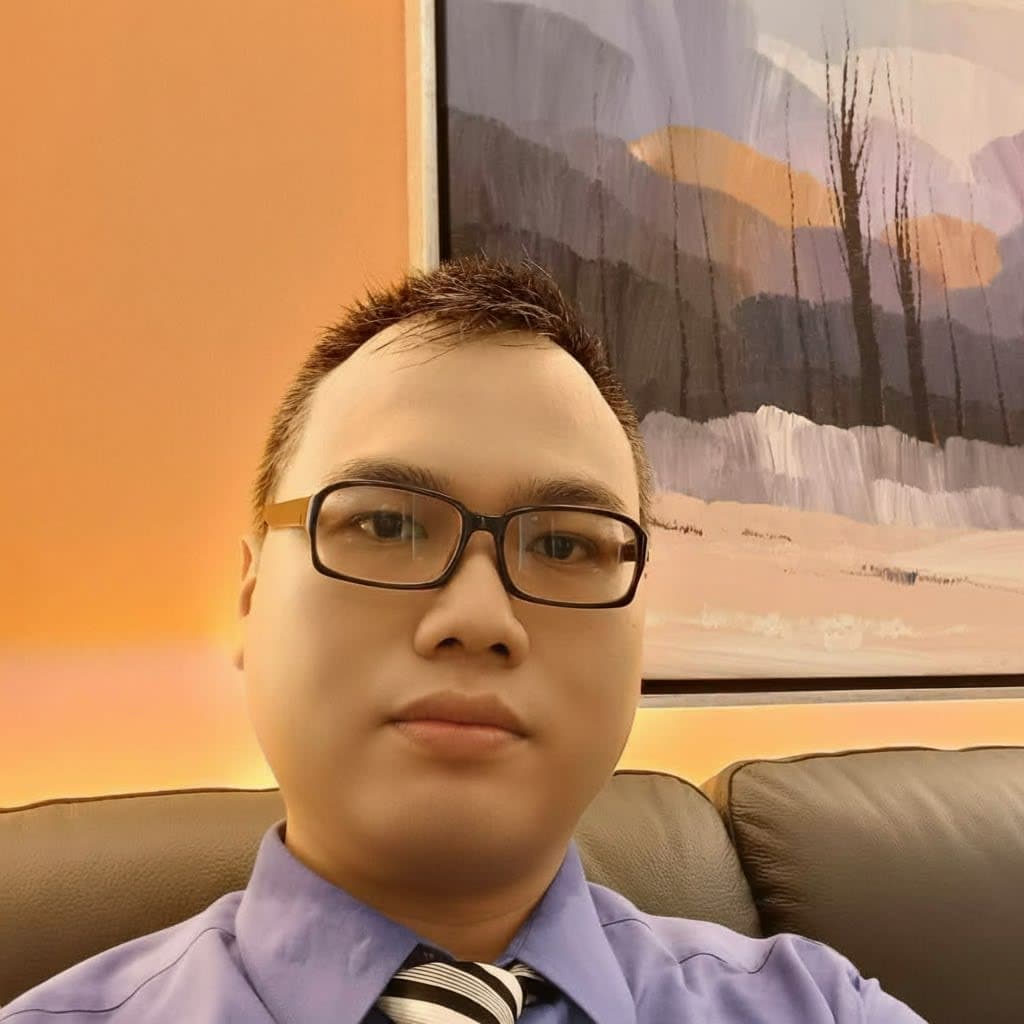
Man Heung
Counsellor
M.A.
失業率高,考試失手,家庭問題,相處衝突...... 呢D係我地每一日都要面對的現實...... 一轉眼,我們便長大了,夠秤夠十八歳,但還不明白成年人當中的責任與意義~ 抑壓著自己的情緒,我地唔可以輕易表達自己的情緒,社會的規範鬧情緒便是EMOJI.,不夠成熟的表現~! 但係社會有冇人願意聆聽自己內心的需要~?! 想被接納、想被看見、想被認可、想被支持...... 尋求我們的協助吧~!!
"I know something's off. I just can't say what it is."
Try this. Bring to mind something recent that has left you a little uneasy. Do not analyze it; just bring it to mind. Then move your attention to your body, around the chest, the stomach, the throat, and notice whether there is some hard-to-name feeling there. Not a ready-made word like "anxious" or "sad," but something vaguer: a heaviness, a tightness, a sense that "something is sitting there." Stay with it for a few seconds.
That something is what Focusing calls a "felt sense." Focusing-Oriented Therapy was developed by American philosopher and psychologist Eugene Gendlin in the 1960s and 1970s. Working with Carl Rogers at the University of Chicago, he studied why counselling worked for some people and not others, and found that the key was not what the counsellor did, but whether the client could touch this vague bodily sense while speaking. Those who could improved; those who could not could talk for years without change. So he broke that ability down into steps that can be learned. This page covers what it is, how it actually works, who it suits, and where its limits are.
Most of the time we handle things with our heads: analyzing, judging, finding reasons, working out solutions. But some things the head cannot handle, because they have not yet become words. A relationship where "something isn't right." A job that "doesn't sit well." A decision you "somehow can't make." These "somethings" are not empty. They are what the body already knows and the mind has not caught up with.
Gendlin found that a felt sense has certain qualities. It is vague, but not empty. It is whole; one feeling holds every aspect of the whole situation. And when you treat it the right way, it moves. When you find a word that fits exactly, the body eases a little. That is called a "felt shift." That easing is where change happens, more real than any reasoning.
Focusing organizes the process into six steps. Not a rigid procedure, but a map for knowing where you are:
Focusing holds that the unnameable feeling in your body is not noise. It is wisdom that has not yet had a chance to speak. The work of counselling is to give it that chance.
Focusing-oriented sessions are quiet, with many pauses. Here is what actually happens:
The counsellor will want to know why you have come, but will not spend the whole session gathering history. Quite soon, as you mention something, they will slow down: "Wait a moment. As you talk about this, do you notice anything in your body?" The first session may just try this a few times, so you can feel what it is like to turn attention inward. Some people find a clear felt sense the first time; others feel only "nothing." Both are good beginnings.
Focusing questions are few and slow. "How is that place right now?" "If it had a word, what would it be?" "Does the word fit?" "Ask it what it wants you to know." "Sit with it for a while." You will notice the counsellor using a lot of spacious language: "something," "that place," "it," because they do not want their own words to cover over the word rising from your body.
Usually an invitation to do a few minutes of Focusing on your own between sessions, or simply to notice a felt sense once or twice a day. Focusing is itself a skill you take with you, so the "homework" is really you learning something you will use on your own afterwards. Some counsellors suggest finding a Focusing partner, two people taking turns accompanying each other.
The six steps are a map, not a checklist. The counsellor holds it in mind and knows which step you are at, but follows your felt sense rather than pushing you through all six. Sometimes a whole session stays at "clearing a space," because too much is weighing on you; sometimes you reach "asking" quickly. The pace is set by the body, not by an agenda.
Yes. Focusing is one of the few approaches that explicitly treats itself as a skill that can be taught and learned. The counsellor will show you how to turn attention inward, how to wait for a word to surface, how to check the fit. But the teaching happens by doing it alongside you, not by explaining. And they will never interpret the meaning of your felt sense for you. The meaning comes from your body.
Here is how the six steps commonly unfold within one session. Many sessions cover only part of this:
No set number of sessions, usually weekly or every other week, and many people feel able to continue on their own within six to twenty sessions. Focusing is also a skill you take with you; many people keep practising after counselling ends, or find a Focusing partner.

Man Heung
Counsellor
M.A.
失業率高,考試失手,家庭問題,相處衝突...... 呢D係我地每一日都要面對的現實...... 一轉眼,我們便長大了,夠秤夠十八歳,但還不明白成年人當中的責任與意義~ 抑壓著自己的情緒,我地唔可以輕易表達自己的情緒,社會的規範鬧情緒便是EMOJI.,不夠成熟的表現~! 但係社會有冇人願意聆聽自己內心的需要~?! 想被接納、想被看見、想被認可、想被支持...... 尋求我們的協助吧~!!

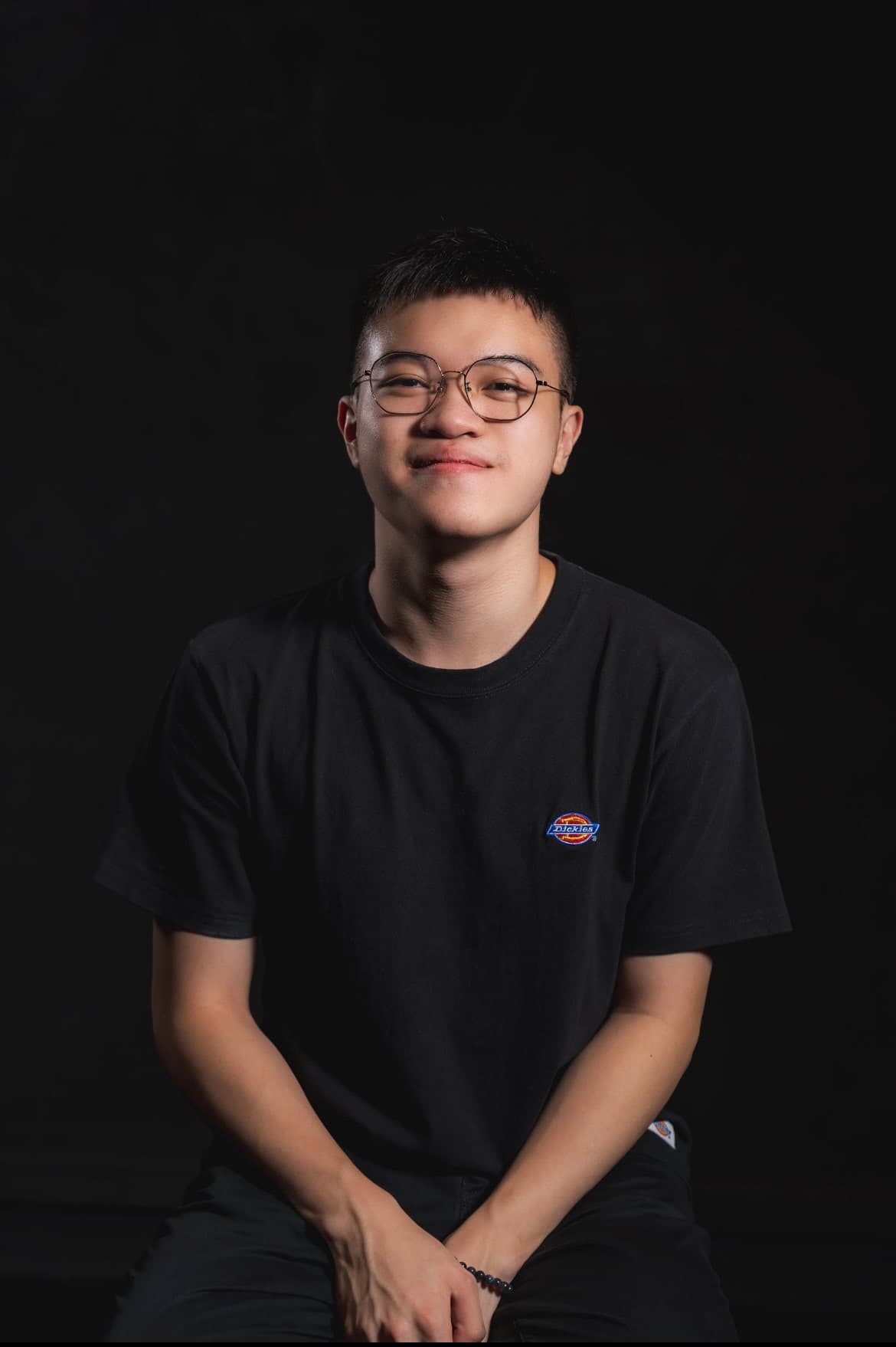
Lincoln Tso
Registered Social Worker
BASW
我本身寫咗個好文縐縐嘅開頭,但又唔係好代表到我;我想嘗試代入你嘅心情,寫啲好「中」嘅嘢,但又好似有啲夾硬嚟。我諗,我喺輔導入邊最重視嘅就係真實感,我相信每一個尋求輔導嘅人都某程度上想要一個真實嘅人同佢交流,因為如果唔係咁, AI可能已經取代咗我……哈哈!如果你願意,我哋作為兩個唔完美嘅人,可以一齊嘗試,好真實咁面對你嘅煩惱!
Focusing suits people whose heads have already done a lot of thinking and who still feel that something is off. A rough guide:
Focusing is often borrowed by other approaches; many person-centred, emotion-focused and body-oriented counsellors use the invitation to "notice your body" in their sessions. You may meet it in counselling that is not called Focusing.
Focusing has no specific "indications," because it works not on a particular symptom but on any situation that "can't be put into words." It is most often used for anxiety and long-standing bodily tension, difficulty with life direction and decisions, an unnameable wrongness in relationships, grief, self-worth, and those mind-body complaints where "the tests came back fine, but I still don't feel right." What they share: the head has reached its limit, and another doorway is needed. These are some of the concerns Focusing is most often paired with:
Worry that will not switch off, a body that stays tense, and difficulty relaxing.
Questions of meaning, freedom, aloneness and death, and the unease that comes with them.
Relearning how to look after yourself while caring for others and meeting demands.
The road with no timetable after losing a loved one, a relationship or an identity.
How you see yourself, your sense of worth, and the voice that keeps criticising you.
"Focusing" sounds like many other things. Some common misconceptions:
"It's mindfulness or meditation."
Mindfulness observes feelings coming and going without stepping in. Focusing converses with them: gives them a word, asks them, waits for an answer. Mindfulness aims at not being pulled along; Focusing aims at letting the feeling tell you what it knows. The directions differ.
"You have to be very body-aware to do it."
Focusing was made precisely for people who "don't feel much." It looks not for clear emotion but for the vague sense that "something is there." Feeling only "nothing" at first is normal, and the counsellor will stay with you right there, at that "nothing."
"It's just a relaxation technique."
Relaxation often follows Focusing, but that is a result, not the aim. The aim is for the meaning of a situation to surface, for you to know "so that's what this is about." The easing comes because something has been heard, not because you did a breathing exercise.
"It's spiritual and mystical."
Focusing came out of philosophy and university research. Gendlin was a philosopher, and his starting point was the very concrete question of how the body knows what language has not yet said. It requires no belief, only a willingness to turn attention inward for a while.
The research base for Focusing has an unusual shape. Its starting point was research itself: Gendlin and colleagues at the University of Chicago developed the "Experiencing Scale" to measure how much a client touches the felt sense during a session, and decades of studies since have repeatedly found that this level is one of the stable predictors of counselling outcome across different approaches. In other words, the ability Focusing trains is an active ingredient in other approaches too. The International Focusing Institute website collects the research.
To be plain about it: as a complete approach, Focusing-Oriented Therapy has very few randomized controlled trials, mostly small studies and case reports, and it is not on the NICE guidelines or the American Psychological Association's list of research-supported treatments. Its evidence is mainly at the "process" level: touching the felt sense helps. Evidence for "Focusing-Oriented Therapy for a particular concern" remains thin. If you want an approach with extensive research support, Focusing is not there yet. If you want a skill with a clear theoretical basis that you can take with you, it is what many people choose.
For the right person Focusing can open a door, but it has clear limits:
Every counsellor on Solacare is a verified professional. You can search by concern, approach and language, and book online directly.
Our AI will recommend the most suitable counsellors for you and explain why.
Exploring your thoughts and feelings at your own pace within a relationship built on empathy, acceptance and genuineness.
Recognizing, experiencing and transforming emotion so it becomes a guide rather than an obstacle.
Works through bodily sensation to release trauma responses held in the nervous system.
Experiencing and transforming emotion within a safe relationship, turning painful experience into growth.
Cultivating present-moment awareness so thoughts and emotions have less pull.